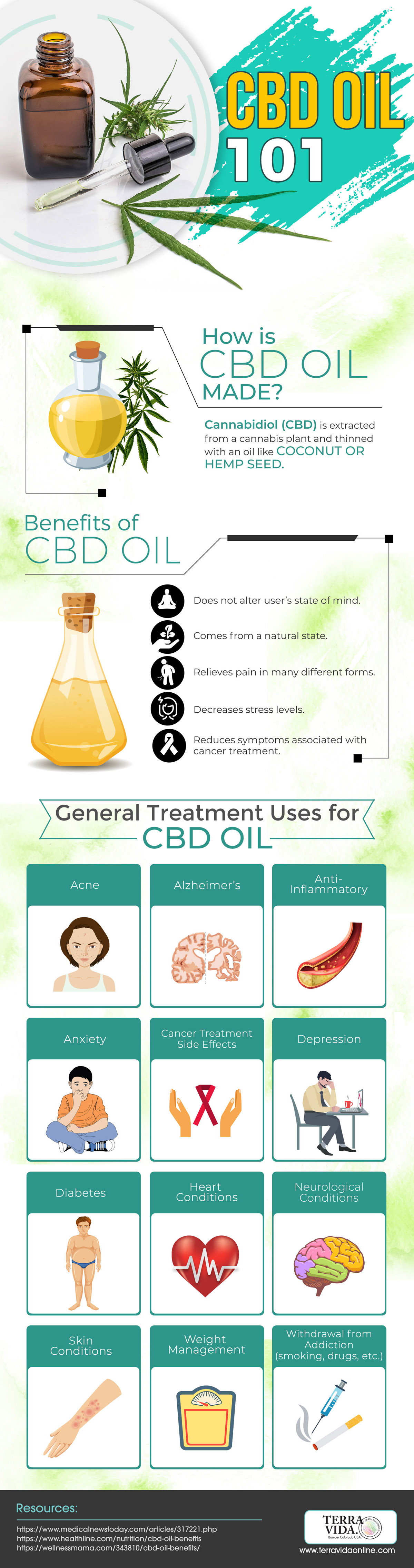
The conversation regarding CBD is evolved significantly over the past few years, shifting past the early hype plus to a sphere of serious conversation about its potential gains for holistic wellness. As people seek alternatives to standard drugs, especially for issues such as long-term pain as well as sexual issues, CBD has emerged as a compelling option. Because of its application in integrating with other wellness practices and its usage in creative formats such as CBD suppositories, the landscape of CBD stands diverse and full of opportunity.
A aspect of particular interest involves the application of CBD for situations like dyspareunia and pelvic pain, where individuals are progressively seeking relief that doesn't involve invasive treatments and reliance on opioids. https://charlotteswebcbdoil62738.aboutyoublog.com/51082149/the-top-fallacies-concerning-cbd-busted shows that CBD may provide a non-invasive approach to dealing with pain and discomfort, opening up fresh avenues for those dealing with these complex issues. Recognizing the long-term effects of CBD on health not just clarifies its effectiveness but also helps clarify its function in a comprehensive approach to health.
Grasping Cannabidiol Suppository Products
CBD suppositories offer a distinct method of delivery for CBD, providing an alternative for those who might avoid traditional forms such as oils or edible products. These suppository forms are typically formatted for anal or vaginal use, allowing CBD to be absorbed directly into the bloodstream through the mucosal membranes. This method can lead to quicker onset of effects and possibly increased bioavailability compared to ingested consumption.
One of the major benefits of using cannabidiol suppository products is their ability to target specific areas of unease. For individuals experiencing conditions such as dyspareunia, cannabidiol suppository products may provide localized relief. https://web.indiaretailing.com/2024/11/10/awshad-building-a-new-era-of-wellness-with-cbd -reducing and muscle-relaxing properties of cannabidiol can help alleviate tension in the pelvic area, making them a viable option for those dealing with pelvic pain.
Additionally, the discreet nature of cannabidiol suppository products makes them an desirable choice for a variety of users. They are easy to transport and use without attracting attention, which can be crucial for individuals seeking relief without the stigma that sometimes accompanies cannabis products. As studies continues to explore the full range of benefits from cannabidiol, suppositories may emerge as a helpful tool in promoting overall wellness.
CBD for Dyspareunia Relief
Painful intercourse, or painful intercourse, is a disorder that affects many individuals and can greatly impact their quality of life. For those experiencing this pain, the search for effective relief can often lead them to explore multiple treatment options. Recent studies have suggested that cannabidiol may offer possible benefits for individuals dealing with dyspareunia. Its pain-relieving and inflammation-reducing properties can help reduce discomfort, providing a more enjoyable and relaxed experience during intimacy.
CBD suppositories, in particular focus, have gained attention as an novel method of administering cannabidiol straight to the affected area. https://jarednicwq.blogvivi.com/41038240/starting-from-cannabis-to-healing-the-tale-of-cbd allows for targeted relief, which may be especially beneficial for individuals with pelvic pain. By targeting the discomfort more directly, users may find increased effectiveness compared to more conventional forms of cannabidiol, such as oils or capsules. This targeted approach could open additional pathways for those seeking solutions to their intimate challenges.
As research on CBD continues to develop, it is crucial for individuals suffering from dyspareunia to consult with healthcare professionals about its use. With the rise of cannabinoid products in the health industry, understanding the right formulations and dosages can be crucial. By merging expert guidance with individual insight, individuals can better navigate the possible advantages of incorporating cannabidiol into their approach to managing pain and enhancing overall wellbeing.
Investigating CBD for Pelvic Wellness
The use of CBD in pelvic health has gained attention as a potential remedy for various conditions, including pelvic pain and unease. Many people experience pelvic-related issues such as dyspareunia, which can significantly impact their quality of life. CBD's anti-inflammatory characteristics may help reduce pain and enhance overall pelvic health by modulating the body’s endocannabinoid system. This system plays a critical role in regulating pain perception, making CBD a promising option for individuals seeking comfort.
CBD suppositories have emerged as a targeted delivery method for pelvic health, offering localized relief for conditions like pelvic pain and menstrual pain. This method allows for higher bioavailability and quicker onset of effects compared to alternative forms of Cannabidiol. Individuals have reported positive experiences using these products for conditions that are frequently difficult to discuss, highlighting the growing acceptance and exploration of Cannabidiol as a natural alternative in pelvic wellness care.
Research comparing Cannabidiol with traditional pain relief options such as morphine shows that CBD may provide an efficient, less risky alternative. While narcotics can have significant side effects and addiction potential, Cannabidiol offers a more natural approach to managing pain without such concerns. As interest in natural remedies continues to rise, CBD holds promise as a safe and effective option for those seeking to enhance their pelvic health and overall wellbeing.
Cannabidiol vs Opiates: An Overview of Differences
The increasing interest in CBD as an option to traditional opiates for pain management has prompted a closer look at their individual effects on wellbeing. While opioids have long been prescribed for severe pain relief, they are also associated with a variety of side effects and a high potential for addiction. In contrast, cannabidiol, particularly in formats such as cannabidiol suppositories, offers a non-psychoactive option that may alleviate pain without the comparable level of addiction risk. This makes CBD an appealing choice for individuals seeking relief from issues such as dyspareunia or chronic pelvic pain.
Studies suggests that cannabidiol interacts with the body's endocannabinoid system, which plays a crucial role in regulating pain and swelling. Unlike opiates, which bind to particular receptors in the brain to inhibit pain signals, CBD affects the way the body perceives pain, potentially reducing discomfort through a alternative mechanism. For those suffering from chronic pain or disorders that lead to discomfort, such as dyspareunia, cannabidiol products can provide an alternative that promotes overall wellbeing while reducing the risks associated with the use of opioids.
Furthermore, the long-term use of opiates often leads to heightened tolerance and dependence, requiring higher doses for the identical effect. CBD, on the other hand, has not shown the same patterns of tolerance or addictive behavior in users. As an increasing number of people seek holistic supplements for pain relief, comparing CBD's safety and effectiveness against opiates underscores the need for a shift towards investigating alternative treatments that prioritize patient wellbeing without the risks often found in treatment with opioids.